
Article for Class 6
Magnets are fascinating objects that have the power to attract certain materials. From simple toys to powerful machines, magnets play an important role in our daily lives. In this chapter, we will explore what magnets are, how they work, and where we find them around us.

What is a Magnet?
A magnet is an object that produces a special force called magnetic force. This force can attract or repel other magnetic materials. Every magnet has two ends called poles.
Types of Magnets
- Natural Magnets – These occur in nature. Example: Lodestone.
- Artificial Magnets – Man-made magnets of different shapes, such as:
- Bar magnets
- Horseshoe magnets
- Ring magnets
- Cylindrical magnets
Magnetic and Non-Magnetic Materials
Magnets do not attract all substances. They attract only some materials known as magnetic materials.
Magnetic Materials
These are attracted by magnets:
- Iron
- Cobalt
- Nickel
Non-Magnetic Materials
These are not attracted by magnets:
- Plastic
- Wood
- Glass
- Rubber
- Paper
Poles of a Magnet
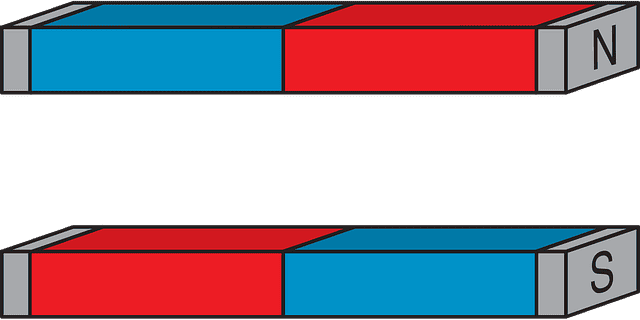
Every magnet has two poles:
- North Pole (N)
- South Pole (S)
Important facts about poles:
- Like poles repel each other (N–N or S–S).
- Unlike poles attract each other (N–S).
- Magnetic force is strongest at the poles.
Finding Directions with Magnet
A freely suspended magnet always turns and points towards the north–south direction.
This property is used in making compasses, which help sailors, travellers, and explorers to find directions.
Magnetic Fiel
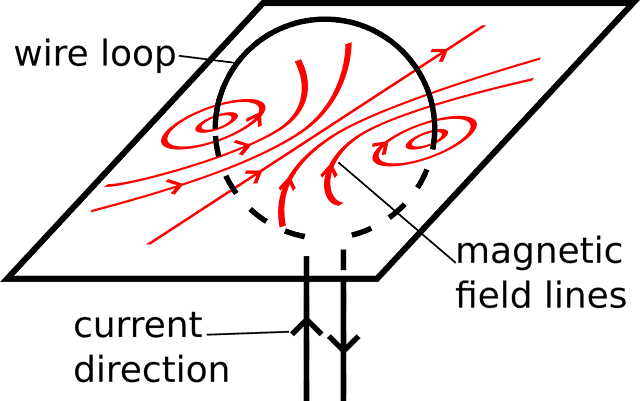
The space around a magnet where its effect can be felt is called the magnetic field.
It is invisible, but we can see its pattern using iron filings. They arrange themselves along curved lines known as magnetic field lines.
How to Make a Magnet?
Magnets can be made using simple methods. One common method is stroking:
- Take an iron piece.
- Stroke it several times in the same direction with one pole of a magnet.
- The iron piece slowly becomes a magnet.
This is how temporary magnets are made.
Losing Magnetism
Magnets can lose their power if:
- Heated
- Hammered
- Dropped from a height
- Stored carelessly
To protect magnets, we keep bar magnets in magnetic keepers.
Uses of Magnets in Daily Life
Magnets are used in many things around us:
- Refrigerator doors
- Speakers and microphones
- Electric motors
- Magnetic toys
- ATM and credit cards
- Magnetic locks
- Computers and televisions
Fun Fact
- Earth itself behaves like a giant magnet.
- The magnetic north pole of a compass points toward the Earth’s geographic north.
- Magnets were first discovered in a place called Magnesia in ancient Greece.
Conclusion
Magnets are an exciting part of science. They help us understand forces, directions, and many technological applications. By learning how magnets work and where they are used, we can better appreciate their importance in our everyday lives.